Hungary Travel Guide
Hungary offers several very different kinds of holiday in one country. Budapest combines grand architecture, museums, thermal baths and the Danube. Lake Balaton is a destination for swimming, sailing and relaxed summer days. Beyond them are historic towns, vineyards, national parks and the open plains of the puszta.
This guide helps you choose where to go and how to plan your time. If this is your first visit, start with Budapest’s main sights and then decide whether you would prefer a lake holiday, a regional city or a journey into the countryside. The links throughout this page lead to more detailed guides.
Hungary at a glance
- Capital: Budapest
- Popular holiday regions: Lake Balaton, the Danube Bend, Hortobágy and Tokaj
- Good first itinerary: Several days in Budapest followed by one additional region
- Currency: Hungarian forint (HUF)
- Getting around: Public transport works well in Budapest; regional trips require more timetable planning
- Where to start: Our guides to the top places in Hungary and sights across the country
Where should you go in Hungary?
Budapest is the natural starting point for many visitors. Its major sights are spread across both banks of the Danube, but public transport makes them relatively easy to combine. Lake Balaton is a better choice if you want to spend several days near the water. For wine and smaller towns, consider Tokaj, Eger or the Balaton hills. If landscapes and wildlife interest you, look toward Hortobágy and the eastern plains.
Budapest tours and activities: Guided walks, Danube cruises and attraction tickets can help you organize a visit. Check each listing for its meeting point, language and exact inclusions.
It is tempting to put all these places into one short trip. Distances and connections make that less enjoyable than it sounds. With three or four days, concentrate on Budapest. With a week, add one region. With more time, you can travel beyond the familiar routes and stay overnight in smaller places.
Budapest: architecture, history and the Danube
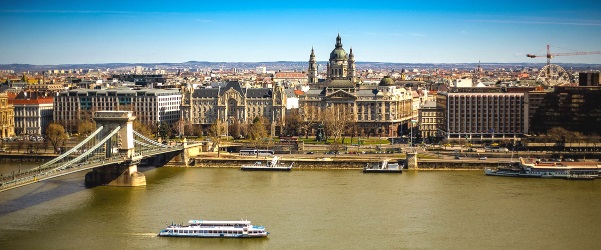
The capital deserves more than a hurried day trip. On the Pest side, you can see the Hungarian Parliament, walk along the Danube and visit St Stephen’s Basilica. Across the river, the Buda Castle Quarter offers historic streets and views over the city. The Chain Bridge connects two important parts of a first sightseeing route.
The river is more than a backdrop. A walk along its banks helps you understand the shape of Budapest, while a boat trip offers another view of the Parliament, bridges and Castle Hill. Our guide to the Danube bridges explains what distinguishes them. Allow time to stop at the Shoes on the Danube Bank, a Holocaust memorial that calls for a quiet and respectful visit.
Budapest also has museums and historical sites for several days. The Dohány Street Synagogue combines architecture with Jewish history and memorial spaces. The House of Terror Museum examines political persecution during the twentieth century. Choose the places that match your interests and give them enough time; visiting every major site in one day would mean missing much of their context.
Thermal baths in Budapest
A visit to a thermal bath is one of the city’s distinctive experiences. Széchenyi Thermal Bath is a familiar choice for first-time visitors, with outdoor pools in City Park. Other baths have different architecture, pools and visitor rules. Read our guide to baths in Hungary before choosing one.
Check the bath operator’s current opening information before buying a ticket. The well-known Gellért Bath, for example, is listed as closed on its official website. Pool access, opening hours and admission categories can also differ between facilities. Bring swimwear, a towel and footwear suitable for wet floors.
Where to stay in Budapest: A hotel near a metro or tram stop makes it easier to explore both sides of the city. Compare the location with your sightseeing plans, not only the room price.
Lake Balaton: a holiday by the water
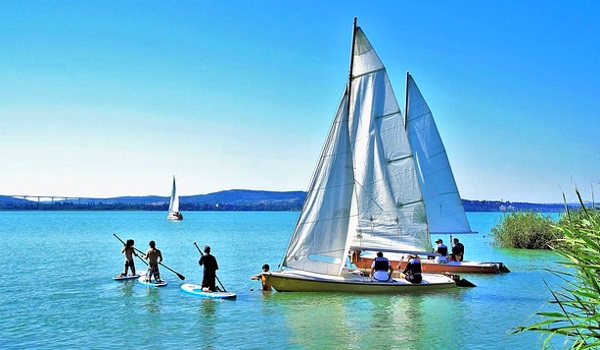
Lake Balaton is Hungary’s best-known summer holiday region. Visitors come for beaches, promenades, boat trips and water sports, but the towns around the lake do not all feel alike. Some are lively resorts with extensive visitor facilities; others are quieter bases for walking, cycling or exploring the nearby hills.
On the southern shore, Siófok is one of the largest resorts and is known for a busy summer atmosphere. Balatonfüred, on the northern shore, offers a promenade, sailing connections and access to a different landscape. Choose a base according to the kind of holiday you want rather than assuming that any lakeside town will offer the same experience.
Swimming conditions depend on the beach, weather and time of year. Families should check the facilities and water access at the particular beach they plan to use. If you want to sail, paddle or take another activity onto the water, our water sports guide covers the main options and safety considerations. Pay attention to local storm warnings even when the morning looks calm.
Balaton can also be a base for food and wine. The hills around parts of the lake contain vineyards, and a guided tasting can fit into a longer stay. Arrange transport before tasting if the winery is outside your town. A lakeside holiday works best when you leave space for both planned excursions and days with no fixed schedule.
Find a base at Lake Balaton
Check the distance from your accommodation to the beach, station and activities you want to use. A property near the lake on a map may still be far from a suitable bathing area.
The puszta and Hortobágy
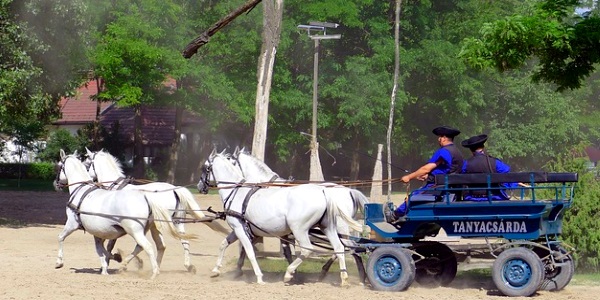
The Hungarian puszta is often pictured as an empty plain with horses. There is more to understand when you visit. Grasslands, wetlands, grazing animals and pastoral traditions form a landscape shaped by both nature and human activity. Hortobágy National Park is the best-known place to explore it and is recognized by UNESCO as a cultural landscape.
A visit can include a visitor centre, a guided nature program, birdwatching or an introduction to herding traditions. These are different experiences, so look carefully at what a tour includes. A horse demonstration on its own is not the same as spending time in the national park. Protected habitats may also have restricted access; use marked routes and follow local guidance.
The distances between sites are easy to underestimate. If you are travelling without a car, check the return bus or train before setting out and confirm how far the activity is from the stop. Debrecen can serve as a base for part of an eastern Hungary trip. In summer, bring water and sun protection: the open terrain offers little shade in some areas.
Wine regions: Tokaj and beyond
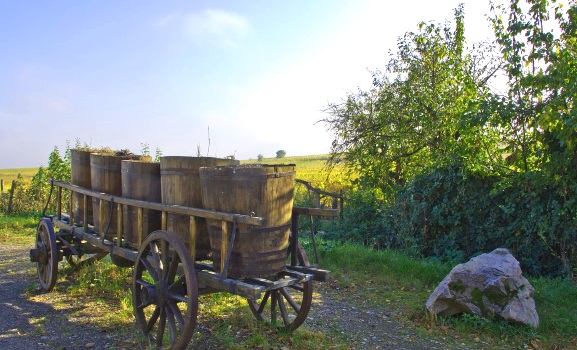
Hungarian wine is not limited to one famous sweet style. The historic Tokaj region produces dry wines as well as Tokaji Aszú. Its vineyards, villages and cellar traditions are part of a UNESCO-listed cultural landscape. An overnight stay gives you time to see more than a tasting room in Tokaj town.
Other regions offer different trips. Eger combines a historic town with cellars and regional wines. Villány and Szekszárd are options for visitors interested in southern Hungary. Around Balaton, vineyard visits can be paired with a lake holiday. Our Hungarian wine regions guide compares the principal choices.
Book small cellar visits in advance where required, particularly outside the main season. Confirm whether the price includes a guided explanation, food or transport. If several people are tasting, arrange a non-drinking driver, public transport, a local transfer or an overnight stay. A wine region is also worth visiting for its towns and landscape if you do not drink alcohol.
Guided experiences in Hungary: Compare regional day trips and tastings carefully. Check whether a listing includes transport, which places it visits and how much time you spend there.
Historic towns and day trips
Budapest is not the only place to explore Hungarian history. Visegrád, in the Danube Bend, has a hilltop citadel and the remains of a Royal Palace. It can work as a day trip from the capital, but the castle stands above the town. Allow for the climb or arrange suitable transport, and check both attractions’ current opening arrangements.
In the south, Pécs makes a rewarding city stay rather than a quick stop. Its historic centre and museums offer a change from Budapest’s scale. Across the country, castles, churches and old streets tell different chapters of Hungary’s history. Our guides to castles, churches and historic towns can help you choose a route.
Several Hungarian places have UNESCO World Heritage status, including parts of Budapest, Hortobágy and the Tokaj wine landscape. The UNESCO sites guide explains the range. A designation is a useful reason to learn about a place, but it does not mean that every associated building or landscape can be visited without restrictions.
Food and everyday travel
Hungarian food is often associated with paprika and goulash, but menus vary by region and restaurant. If you are unfamiliar with a dish, ask what is in it rather than assuming that every paprika-based meal is hot. Markets and smaller restaurants can be useful places to try regional food. Our Hungarian dishes guide introduces some common choices.
Carry a way to pay in Hungarian forint, even if you expect to use a card most of the time. Check the exchange rate and any conversion offered by a payment terminal or ATM before accepting it. For day-to-day planning, see our guide to money in Hungary. Prices depend strongly on location and season; a central Budapest attraction and a small-town café are not useful substitutes for one another in a holiday budget.


How to get around Hungary
For Budapest, a car is usually unnecessary. The metro, trams and buses cover the main visitor areas. Read our Budapest public transport guide and metro guide before buying tickets. If you arrive by air, the Budapest airport guide helps you plan the transfer into the city.
Trains and buses connect many larger towns and resorts, but rural attractions may require a further local connection. Look up the entire journey, including the last kilometres from the station to your hotel or activity. Return services matter especially for a day trip. Our guide to travelling to Hungary provides a starting point for arrival by train, road or air.
Driving can be useful for several villages, wineries or dispersed nature sites. It is less attractive for a Budapest stay, where parking and traffic add work. Choose transport around the itinerary rather than renting a car automatically for the whole holiday.
When is the best time to visit?
Budapest is a year-round destination, although outdoor sightseeing is more comfortable in some seasons than others. Spring and autumn suit city walks and trips between regions. Summer brings the widest range of lakeside activities at Balaton, along with more visitors at popular resorts. A winter visit can focus on museums, food and operating thermal baths.
The best month therefore depends on what you intend to do. A Balaton swimming holiday, a birdwatching trip to Hortobágy and a Budapest museum weekend need different conditions. Check seasonal opening times for individual attractions and operators before booking accommodation. A general weather forecast cannot tell you whether a specific boat, winery or visitor centre will be open.
How to plan your first Hungary itinerary
Three or four days
Stay in Budapest. Spend one day along the Danube and around Parliament, another in the Buda Castle Quarter, and use your remaining time for a bath, museum or synagogue visit. Keep some unscheduled time for neighbourhood walks and meals. A regional day trip is possible, but it will replace a substantial part of your time in the capital.
About one week
Combine Budapest with one other destination. Choose Balaton for a lake holiday, Visegrád for a shorter excursion, Pécs for another city or Eger for a mix of history and wine. Moving hotels once is often enough. Check how much of each travel day will be spent on connections before adding another stop.
Ten days or longer
You can explore a second part of the country more comfortably. An eastern route might include Debrecen, Hortobágy and Tokaj. A western or southern route could focus on Balaton and Pécs. Keep the pace flexible: a guided nature visit or a cellar reservation may work only on particular days.
Accommodation across HungaryDecide on your route before booking every room. Staying longer in fewer bases can reduce travel time and make regional excursions easier to organize.
Frequently asked questions about Hungary
Is Budapest enough for a first visit?
Yes. Budapest has enough architecture, museums, food and other activities for several days. Add another region when you have time to enjoy it rather than only travel through it.
Which destination is best after Budapest?
That depends on your interests. Choose Balaton for a lakeside stay, Visegrád for a Danube Bend excursion, Hortobágy for the plains or Tokaj for wine and its historic landscape.
Can I travel around Hungary without a car?
Yes, particularly between Budapest and larger towns. Rural wineries, nature sites and small villages require closer attention to local transport. An organized excursion or a longer stay in one place can simplify those trips.
Should I book activities in advance?
Book ahead when you want a specific guided tour, timed attraction, small winery visit or busy-season activity. Check the operator’s current information and cancellation rules first. Leave some free time for weather changes and spontaneous stops.
Where can I find more detailed guides?
Start with our Hungary top ten for a shortlist, the countrywide sights guide for more ideas and the Budapest guide for the capital. Each destination linked above has its own article with more practical detail.