 Posted by
Cat Museum Budapest is a small indoor attraction in central Pest that combines cat-themed art and objects with resident cats. It is best suited to visitors who would enjoy a calm encounter and a short exhibition rather than a large conventional museum. The current ticket information has rules that the old article missed: children under eight are not admitted, shoes are removed on entry, and the cats’ rest must be respected. Here is what to expect and how to decide whether it fits your Budapest day.
At a glance: Cat Museum Budapest
- Area: central Pest, Vadász utca 26.
- Experience: cat-inspired art and resident cats in a compact setting.
- Allow: about an hour to 90 minutes, depending on your interest and booked slot.
- Age rule: current ticket listing excludes children under eight.
- Visitor rules: remove outdoor shoes, disinfect hands before petting; no dogs, strollers or flash photography.
- Before going: check the operator’s current opening, access and ticket conditions.
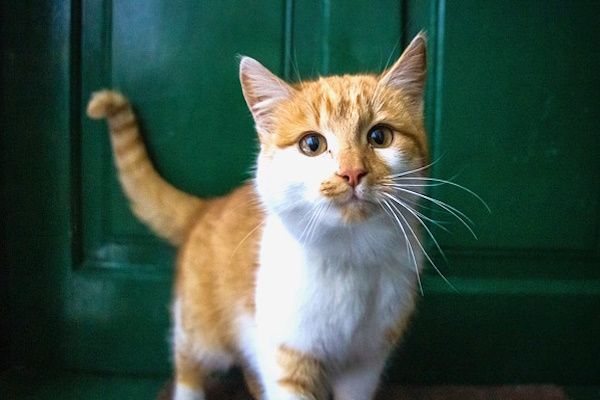
What is the Cat Museum Budapest?
The museum presents cat-themed visual material, objects and interactive elements while allowing visitors to spend time near its resident cats. The current activity description mentions art by local and international artists, porcelain pieces, photo settings and information about cat breeds or biology. The precise display can change, so treat examples as an idea of the format rather than a guaranteed checklist of items.
It is an unusual stop on a city itinerary. Someone expecting a major fine-art museum may find the exhibition modest; someone who wants a quiet cat-focused break may appreciate the combination. The cats are living animals, not exhibits that must perform for ticket holders. They may be asleep or uninterested in interaction when you arrive. That is normal and expressly acknowledged in the ticket description.
The old article was too vague about the location and made unsupported claims about every famous fictional cat being represented. The more useful question is whether this particular mix of artworks, resident animals and a relaxed visit appeals to you. If you prefer a larger, traditional museum, Budapest has many alternatives; our Budapest sights overview helps compare options.
What can you see inside?
Art and cat-themed objects
The ticket description refers to historical and contemporary cat imagery, playful reinterpretations of familiar art and porcelain pieces. These elements give you something to explore even when the cats are resting. Some visitors focus on the animals, while others spend time reading the displays. Expect a small venue rather than an encyclopaedic survey of feline history.
A gift shop may offer cat-themed souvenirs. Check the price before buying and decide whether an item is a local work or a mass-produced product if that matters to you. A visit does not require shopping. Photographs can be a personal reminder, but flash photography is prohibited in the current visitor rules.
Interactive features
Photo settings, short films or a quiz are among the features described for the attraction. Their exact availability may vary. The children’s activity corner is not a general invitation to bring any age group: the current admission rule excludes children under eight. This is a key distinction for families comparing attractions.
Even if interactive elements are included, keep the atmosphere calm. Loud play is incompatible with an animal-focused setting, and the published rules explicitly prohibit making noise. A child old enough to enter still needs to follow instructions about touching the cats and moving around them.
The resident cats
Visitors may be able to pet cats that choose to interact. Let a cat approach, ask staff when unsure and stop if it moves away. Do not wake a sleeping animal, pick it up without permission or corner it for a photograph. The museum states that the cats may nap during the day and their activity cannot be predicted. A ticket buys entry to the venue, not a guaranteed number of minutes of cat contact.
Hand disinfection is required before petting, according to the current ticket rules. Outdoor shoes are removed and slippers are available on entry. These rules may seem unusual for a museum, but they reflect the living-animal aspect. If you are allergic to cats, this attraction is unlikely to be a comfortable choice despite the art displays.
Cat Museum entry
Check the date, age rule, accessibility notes and cancellation conditions before buying. This ticket listing is for the Cat Museum itself, not a general Budapest museum pass.
Tickets, price and opening hours
Admission is ticketed. The old text’s fixed price of about 9–10 euros can quickly become inaccurate because the price may depend on date, platform and currency. View the price for your actual date before booking. The current GetYourGuide listing describes an audio-guided visit and a typical 1.5-hour activity; read the live inclusions rather than assuming a drink, souvenir or special exhibition is included.
Opening hours may change by weekday and season. The old article’s blanket “Tuesday to Sunday” line is not reliable enough for a journey across town. Check the museum’s own website or the selected ticket slot. Do not assume that a ticket can be used at any time on its date if a specific entry time is printed.
Booking in advance is most useful if you have a tight itinerary or are visiting on a busy weekend. A walk-in may be possible according to capacity, but it should not be treated as guaranteed. Read refund terms before buying, particularly if you are unsure whether everyone in your group meets the age or access conditions.
Age, access and animal-welfare rules
The current GetYourGuide listing says the museum is unsuitable for children under eight and wheelchair users, and lists baby strollers among prohibited items. That may reflect stairs or the venue layout, but the precise reason is less important than checking the current rule before arrival. If accessible entry is essential, contact the operator for a definitive answer rather than relying on a broad statement in an old travel article.
Dogs are not allowed. Flash photography and noisy behaviour are also prohibited. You must remove outdoor shoes and use indoor slippers, and disinfect your hands before touching cats. Follow any additional instructions given by staff on the day. A respectful visitor experience depends on the animals being able to withdraw and rest.
For children aged eight or older, explain the rules before entering: no chasing, lifting or disturbing a sleeping cat. Adults should supervise rather than assuming that staff can do so for every visitor. If your family includes younger children, choose another museum or park and leave the Cat Museum for a different trip.
Where is it and how do you get there?
The address given in current visitor listings is Vadász utca 26 in central Pest. Use the full address in a map; the museum is not on the Danube promenade or immediately beside the Chain Bridge. The area can be reached by public transport and a short final walk. The best stop depends on your starting point, so consult BudapestGO instead of relying on an old article’s estimate of a few hundred metres from every major sight.
If you are visiting the Parliament, the museum can be another central-Pest stop, but compare your booked entry slot with any Parliament tour time. Our Budapest metro guide explains the four lines and ticket validation, while the public transport guide covers trams and buses too.
Walking from the city centre can be pleasant in fair weather. Allow extra time if you need to find the correct entrance or leave luggage elsewhere. The venue is small and its rules exclude strollers; a large suitcase is unlikely to improve the visit. Leave bulky bags at your accommodation or a suitable storage service.
Stay in central Budapest
A base in Pest makes it easy to combine smaller museums with larger city sights. Compare hotel access to your planned metro line rather than booking by neighbourhood name alone.
How to fit the museum into a Budapest day
Allow roughly 60–90 minutes for the attraction and more for travel. Pair it with a nearby walk rather than crossing the city several times for a short stop. The St Stephen’s Basilica and the Shoes on the Danube Bank memorial are broader central-Pest options, though their meaning and atmosphere are very different. Treat the memorial as a separate, respectful visit, not an extension of a lighthearted cat outing.
On a rainy day the museum can provide an indoor break, but it is not an all-day destination. If you have several hours to fill, add a museum, a planned meal or a walk through the central pedestrian streets. A city pass may or may not include this privately operated attraction; never assume general museum access includes it.
For visitors who dislike animal attractions, looking at the exhibition photos and venue rules beforehand is important. Some enjoy the interaction, while others prefer places where animals are not part of the experience. Make the choice based on your interests rather than treating it as an essential Budapest landmark.
Is it worth visiting?
For a cat lover with time for a small, calm attraction, it can be a pleasant break from large museums and crowded riverfront sights. The combination of art and resident cats is distinctive. It is less suitable for a group seeking a long historical exhibition, for families with a child under eight, or for someone who requires step-free access unless the operator confirms an arrangement.
Value depends on what you expect. An hour spent reading displays and calmly interacting with available cats can be worthwhile; buying a ticket in the expectation of constant animal attention can lead to disappointment. Compare the current ticket cost with other activities you want to fit into the day. The venue’s small scale is a feature for some visitors and a limitation for others.
Before you reserve a slot
Check the date, entrance time and address on the booking confirmation. If you are combining the museum with a timed Parliament or basilica visit, allow enough travel time and do not assume that staff can move a late arrival to a later slot. Read the cancellation deadline in the currency and time zone shown by the provider. A listing can change its inclusions or policy without an older travel page changing at the same moment.
Consider the whole group. Someone with a cat allergy, a child below the minimum age or a visitor who cannot use stairs may need another activity. Booking a separate attraction for part of the group is possible, but arrange a clear meeting point afterward. A nearby café or short walk can serve a companion who does not want to enter; check actual opening hours rather than assuming there is seating at the museum.
Keep the cats’ welfare in mind when choosing a time. No slot guarantees an active animal. If you want a photograph, photograph the atmosphere and exhibits as well as the cats, without using a flash or disturbing them. The most enjoyable visit is often the one where you accept the pace of the resident animals instead of trying to turn them into a scheduled performance.
Frequently asked questions
Are there real cats?
Yes, the venue advertises resident cats. They may sleep or choose not to interact during your visit. Follow staff guidance and allow them to retreat.
Can children visit?
The current ticket listing excludes children under eight. Check the exact age rule before buying for a family and supervise older children around animals.
Can I take pictures?
Photography is part of the visitor experience, but flash is prohibited. Ask staff about any further restrictions, especially if other visitors are in the frame.
How long should I allow?
About an hour to 90 minutes is a reasonable starting point. Your booked time slot and interest in the displays determine the actual duration.
Is the museum wheelchair accessible?
The current ticket listing says it is not suitable for wheelchair users. Contact the operator for the most accurate access information before making travel plans.