 Posted by
Buda Castle is both a historic palace complex and the name many visitors use for a broader hilltop district. The district contains museums, streets, viewpoints, Matthias Church and Fisherman’s Bastion, each with different admission rules. You can explore public outdoor areas independently, then choose the interiors that interest you. This guide helps you plan the climb, transport and a route that does justice to more than one photograph of Pest across the Danube.
- Area: Castle Hill on the Buda side of Budapest.
- Free parts: many public streets and exterior viewpoints; individual museums and churches charge.
- Access: walking routes, public buses and the Castle Hill funicular, subject to current operation.
- Main stops: Royal Palace area, Matthias Church, Fisherman’s Bastion and historic streets.
- Allow: at least half a day for a relaxed district visit, longer with museums.
What does “Buda Castle” mean?
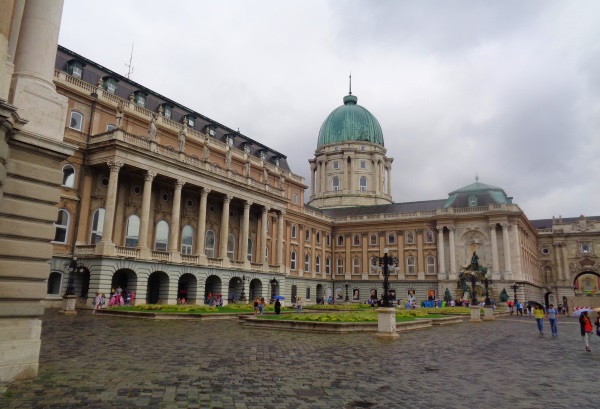
The Royal Palace complex occupies the southern part of Castle Hill. The wider castle district extends north through historic streets towards Matthias Church and Fisherman’s Bastion. A person asking for “the castle” may mean a palace museum, the hilltop neighbourhood or the entire sightseeing area. Check the precise address of any ticket rather than assuming it admits you to everything on the hill.
The district’s buildings reflect several phases of Hungarian and Budapest history. War damage and later reconstruction mean a polished façade should not automatically be interpreted as untouched medieval stone. Museum displays provide context, while the outdoor walk reveals the layout and views. Our UNESCO sites guide explains the wider Budapest Danube banks and Castle Quarter inscription.
The hill’s elevation shapes the visit. A viewpoint can be close on a map but require a climb, stairs or a detour around a wall. Plan for footwear, weather and the return down, not only the arrival at the top.
How to get up Castle Hill
Walking from the river gives you time to see the changing views. Several routes rise from the Buda bank, and the effort varies. In summer heat or with limited mobility, public transport may be more comfortable. Bus routes serving the castle district should be checked in the current BKK planner; do not rely on an old promise that a particular vehicle type or private shuttle runs every ten minutes.
The funicular near the Buda end of the Chain Bridge offers a short ride up. It has a separate fare, and lines or maintenance can affect the plan. It is a transport experience, not a ticket to the palace museums. For ordinary public transport and validation, see our Budapest transport guide.
Arriving by bus and walking down can reduce strain while keeping the best views. If you use a wheelchair or need step-free access, verify the exact stop, path and museum entrance rather than assuming the whole district shares one accessible route.
Royal Palace and museums
The palace area is associated with the Hungarian National Gallery and Budapest History Museum, among other institutions. Tickets, exhibitions and opening hours are distinct. Choose by interest: art, city history or simply architecture and terraces. If you want an interior visit, check the specific museum’s current programme before setting off.
Outdoor courtyards and viewpoints can be worthwhile without purchasing an admission, though event barriers and restoration work may change paths. Avoid trying to visit every museum in one short morning. A meaningful gallery visit can consume hours, especially when you also want to explore the northern part of Castle Hill.
The palace is not a single furnished royal residence tour in the simple sense that some European castles offer. Read what a ticket actually covers. A reseller’s phrase “Buda Castle tour” may refer to an outdoor walk around the district rather than entry to galleries.
Matthias Church
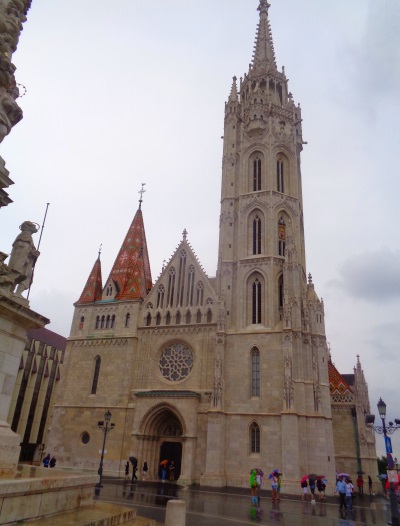
Matthias Church stands towards the northern end of the castle district and has a richly decorated roof and interior. It is an active religious building as well as a tourist attraction. Visitor admission and tower access, where offered, have their own schedules and rules. Services can change sightseeing access, so check before arranging a tightly timed day.
Its history and appearance are connected with multiple eras and later restoration. Take a moment to see the exterior from different sides before going in. Inside, read the displays and respect people attending worship. Our Hungary churches guide offers other religious landmarks.
Do not confuse Matthias Church with St Stephen’s Basilica in central Pest. They are separate buildings across the Danube and both deserve an individual visit if church architecture is a priority.
Fisherman’s Bastion and views
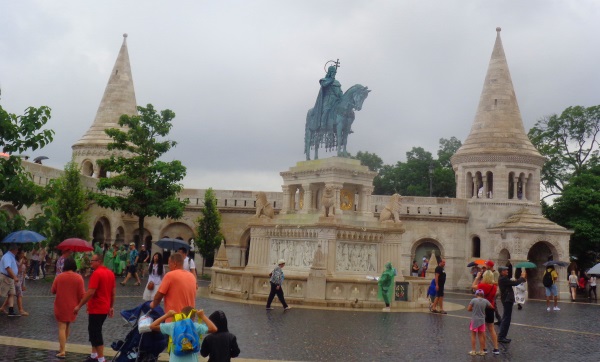
Fisherman’s Bastion is a series of terraces and towers beside Matthias Church. Its pale stone and arcades frame views towards Parliament and the Pest bank. Some lower public areas can be visited freely, while particular upper terraces or time periods may have a ticket. Check the signs on the day instead of assuming either that the whole structure is free or that every viewpoint costs money.
The name does not mean the visible structure is a surviving medieval defensive fortress. It is a later architectural creation associated with the historic district. For photographs, the best angle depends on sun and crowds. Stay clear of narrow stairs and do not block others for a posed picture.
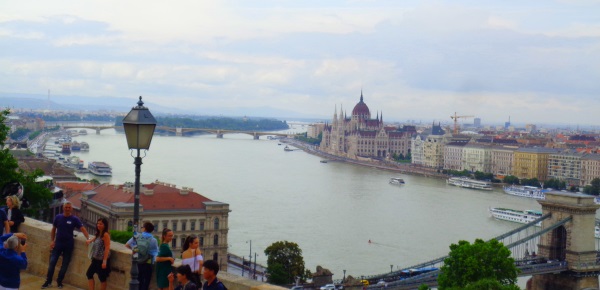
Across the river, the Parliament building is especially prominent. If you have already visited its exterior on the Pest side, the hilltop view reveals its relationship with bridges and the city’s layout.
Historic streets and quieter corners
The route between palace and church passes streets that deserve a slower look. Architectural details, courtyards and smaller museums can be more rewarding than hurrying from one famous viewpoint to another. Check entry rules for buildings that look publicly accessible; some remain offices, residences or event venues.
A mid-morning or late-afternoon walk can feel different from the busiest group-tour hours, though no particular time guarantees quiet. The district has cafés and restaurants, but prices and menus vary. Compare options before committing to a meal with a premium view.
The underground cave and labyrinth-related attractions marketed around Castle Hill have separate operators and tickets. Verify the exact entrance and content if they appeal to you. A general castle-area guided tour does not automatically include them.
Photographing the Danube skyline
Castle Hill gives several views over the Danube bridges, Parliament and Pest rooftops. A panorama from the southern palace terraces looks different from the northern Fisherman’s Bastion angle. If your time is limited, choose the viewpoint that matches the buildings you want to see rather than walking the full hill solely for one photograph.
Weather matters. Haze can soften long views, while a windy day may make exposed terraces less comfortable. At dusk, allow enough time to return safely to a bus stop or down a lit route. Respect barriers and event restrictions.
Castle district walks
Compare the meeting point, route and whether a ticket includes church or museum entry. Many guided walks cover only outdoor areas.
A half-day walking route
Start near the Chain Bridge and decide whether to ascend on foot, by bus or funicular. Explore the palace terraces and choose one museum if its programme interests you. Walk north through the historic district to Matthias Church and Fisherman’s Bastion. Leave time for a break and then return by public transport or a different walking path.
If you enter both a museum and the church, turn this into a longer day. A rushed half-hour at each site gives little sense of the collections. A family may prefer the outdoor route and one ticketed attraction. Our Budapest sights overview helps connect the castle with another day of city visits.
For a wider Danube itinerary, walk the Chain Bridge separately and visit the Shoes memorial on the Pest bank with appropriate attention to its history. Do not place it into a lighthearted castle photo checklist.
Tickets, budget and practical details
Public streets and many viewpoints can be free; the funicular, museums, Matthias Church and certain terrace access have their own charges. Check current prices individually. A bundled guided walk can be worthwhile for interpretation but may not reduce every admission. Hungary uses forints; see our payment guide for card and conversion tips.
Wear comfortable shoes and carry water in hot weather. Castle Hill has cobbles and slopes, and a route that appears short on a map can be tiring. Check toilets and restaurant opening hours, especially in the evening. If accessibility determines your choices, ask the individual venue about lifts and step-free routes.
Stay on Buda or Pest?
A Buda hotel can offer hill access and quieter streets; a Pest base often gives more central transport choices. Compare the actual route to your planned sights.
The district through different seasons
Summer offers long sightseeing hours but makes the ascent and exposed terraces hot. Start earlier or use transport uphill. Spring and autumn often suit walking, though rain can make stone surfaces slippery. Winter may give clear views but also cold wind; museum opening hours and holiday schedules deserve a check.
Public events and restoration projects can close paths at any time of year. Look up the current venue notices if a particular palace courtyard or exhibition is the main reason for your trip. Keep an alternative route through the district instead of assuming every staircase will be open.
Which paid attraction should you choose?
If you enjoy art, investigate the Hungarian National Gallery’s current exhibitions and allocate time for its galleries. For Budapest’s historical development, the History Museum may be a better match. The church interior offers religious art and a different architectural experience. A guided outdoor walk helps connect the sites and explain the district as a whole. Choose one or two rather than buying tickets because every option has “castle” in its marketing.
Read ticket scope carefully. A museum entrance may cover its collection but not the funicular or church. A tour described as “skip the line” can still require security or a timed slot. Check the cancellation conditions and the precise meeting point, especially if the guide begins on the Pest side rather than at the top of the hill.
For a low-cost visit, walk the public district, enjoy the outside of the main buildings and choose free viewpoints. This does not give you the full history inside the museums, but it is still a coherent experience. Pair it with a longer museum visit on another day if your schedule permits.
How to pace the hill with children
Children may enjoy the funicular, castle-like towers and broad views more than a long museum sequence. Keep one simple goal for the morning, such as walking from the palace to Fisherman’s Bastion, and add a café or rest stop. Decide in advance how to descend; repeating a steep climb when everyone is tired can spoil the day.
A stroller needs attention to cobbles, slopes and steps. A bus stop may be a more practical starting point than the riverbank stairs. Confirm entrance access for a specific museum before buying its ticket. Carry water and suitable sun protection, as terraces can be exposed.
Architecture, memory and reconstruction
Castle Hill has been rebuilt repeatedly. It is useful to ask what belongs to the medieval, Baroque, nineteenth-century and postwar periods rather than treating the whole area as one intact castle. Interpretation panels and museums can help, but even an exterior walk shows differences in scale and style.
The Budapest UNESCO designation recognises an urban landscape, not a promise that every stone is original. The Danube view ties Castle Hill to Parliament, bridges and the Pest riverfront. Seeing those relationships is one reason the hill deserves more time than a quick panoramic photograph.
If you later visit Visegrád or other Hungarian castles, you will encounter different kinds of fortification and preservation. The national castles guide helps distinguish palaces, ruins and defensive sites.
Frequently asked questions
Is Buda Castle free?
Many outdoor streets and viewpoints are free. Museums, church interiors, funicular rides and some terrace access have separate tickets.
Is the Royal Palace the whole castle district?
No. The palace is one area on a larger hill that includes historic streets, Matthias Church and Fisherman’s Bastion.
How do I get to the top?
Walk, use a current public bus route or check the funicular’s operation and fare. Choose by mobility and your intended starting point.
How long should I stay?
At least half a day suits an outdoor visit. Add more time for each museum or church interior.