 Posted by
Budapest’s City Park, Városliget, begins behind Heroes’ Square and combines green space with some of the capital’s busiest attractions. You can walk around the lake and gardens for free, then choose between a bath, zoo, museums and seasonal activities. The park has changed substantially in recent years, so an older guide that mentions only the zoo and Széchenyi Bath misses important new buildings.
- Hungarian name: Városliget.
- Location: beyond Heroes’ Square at the end of Andrássy Avenue.
- Cost: general park walks are free; museums, zoo, baths and events have separate tickets.
- Getting there: M1 metro, with stops serving the square and park.
- Main choices: Vajdahunyad Castle, park lake, zoo, Széchenyi Bath, House of Music Hungary and Museum of Ethnography.
A park that is also a cultural district
City Park is more than a patch of trees. It has lawns, paths, playgrounds, a lake and historic landmarks, alongside major paid attractions. Recent Liget Budapest developments added the House of Music Hungary and the Museum of Ethnography. For a traveller, this means you can build either a simple outdoor break or a full-day programme in the same district.
Do not try to “do the park” as if it were one admission-based attraction. A stroll from Heroes’ Square to Vajdahunyad Castle may take an hour with pauses. A zoo visit or spa visit can consume half a day independently. The park’s official site has current events and a useful map.
Heroes’ Square: the natural entrance
From the Pest city centre, M1 brings you to Hősök tere. The square’s Millennium Monument and facing art museums establish a grand entrance to the park. Spend time here before continuing rather than rushing through it as a station forecourt. The square is free to visit, while the Museum of Fine Arts and Kunsthalle have their own exhibitions and tickets.
Our Heroes’ Square guide explains the sculptural figures and the restoration of the Gabriel statue. If you begin with a museum, check its opening hours and ticket type, then use the park as a break afterward. On a ceremony day, the direct route across the square may be restricted.
Vajdahunyad Castle and the lake
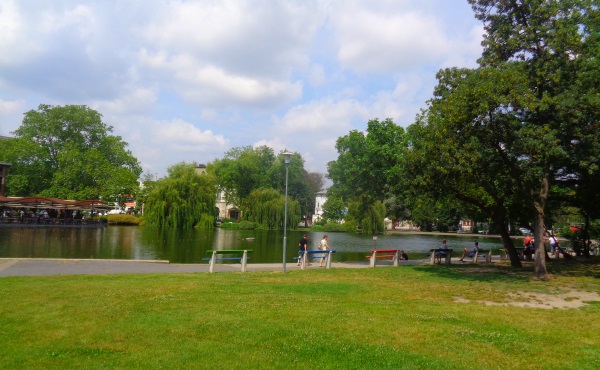
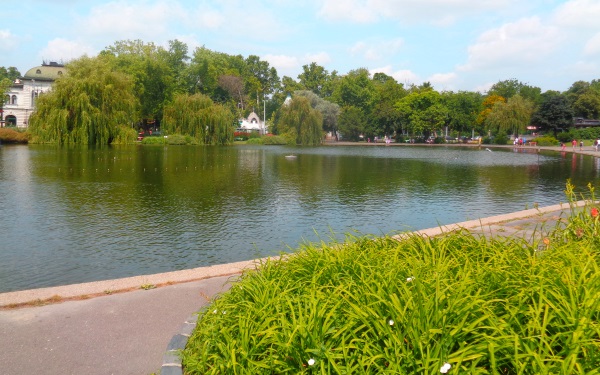
Vajdahunyad Castle is a picturesque group of buildings beside the lake. Its design draws on architectural traditions from different periods, which is why it can look older than its actual late nineteenth-century origins. The exterior is a memorable walk even if you do not enter an exhibition. Look for bridges and waterside viewpoints while keeping to public paths.
The lake’s use changes with the season. In suitable colder months, the large ice rink is a familiar feature near the castle; skating requires its own ticket and depends on operation and weather. Warmer-season boating or other lake activities depend on the current operator and conditions. The lake is not a place for general swimming. Check signs before assuming an activity is available on the date you visit.
Photographers often spend more time here than a route planner suggests. A quiet circuit offers different views of the castle, trees and water. With children, leave space for a playground stop rather than calculating only the distance between monuments.
Széchenyi Thermal Bath
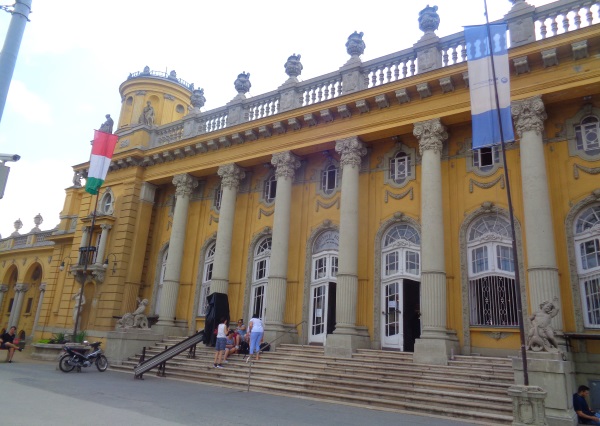
The Széchenyi Bath is one of the park’s best-known destinations. Its outdoor pools and historic setting attract both locals and visitors. It is a separate paid attraction, and its opening times, ticket categories and specific facilities change. Check the current details before bringing only a small window of time. A bath visit needs swimwear and practical planning; it is not a quick look through the gates.
Our Széchenyi Bath guide covers the experience in more detail. If travelling with someone who needs step-free access or specific health facilities, verify arrangements directly with the bath. A spa day can be combined with a short park walk, but adding a full zoo visit and two museums on the same day is likely too much.
Budapest Zoo and Botanical Garden
The zoo occupies a substantial part of City Park and can justify several hours. Besides animals, it is known for historic architecture and planted areas. Entrance, last admission and animal-house hours vary by season. Check the zoo’s own opening-hours page before planning it as an end-of-day add-on.
Families may prefer to make the zoo their main paid activity and leave other sites for another day. The Budapest Zoo guide covers tickets, facilities and how to get there. Animal visibility is never guaranteed at a particular moment; build the visit around the whole site rather than a promise to see a specific species.
House of Music Hungary
The House of Music Hungary is a contemporary cultural building in the park. Its architecture and surrounding setting are worth seeing even without an exhibition ticket. According to Liget Budapest, the public building areas can be explored freely while concerts and exhibitions require tickets. Check the current programme for the specific day.
A music exhibition or concert serves a different interest from a castle walk. If you only have a few hours, choose deliberately. The building’s outdoor relationship with trees makes it an attractive short stop between longer visits. Do not infer from free access to parts of the building that every programme is free.
Museum of Ethnography and Visitor Centre
Near the Heroes’ Square side of the park stands the Museum of Ethnography, a newer building with exhibitions devoted to cultural objects and their contexts. The architecture and roof landscape are notable in their own right. Exhibition tickets and access to public areas have different conditions. See the official museum information before choosing a programme.
The City Park Visitor Centre is located in the museum building. It offers information about the park and its venues and can help orient first-time visitors. Ask there about current events, temporary closures and routes if your plans are flexible. This is more reliable than a map saved years earlier, especially while the area continues to develop.
Tickets for a City Park day
Compare the bath, zoo, museums and guided walks separately. A tour of the park does not automatically include admission to every building.
Other attractions and family facilities
The Capital Circus of Budapest is another long-standing attraction in the district. Programmes and performance times change, so verify the current show before promising a particular act. Playgrounds and family spaces offer lower-cost time outdoors. Some are designed for specific age groups and may be crowded on sunny weekends.
The park also has gardens, sports areas and seasonal events. Not every project shown on a development map is already open, and an older article’s claim that a transport museum will “reopen soon” should not be used as a plan. Check the currently open venues and avoid building a day around proposed future buildings.
For a broader family itinerary, compare the park with Margaret Island, another green area with different facilities and riverside setting. City Park is stronger for a mix of cultural attractions; Margaret Island is often better for an extended car-free walk.
Food, rest and practical facilities
Cafés and restaurants are scattered around the park and within some attractions. Prices and opening hours vary. Bring drinking water, especially in summer, and plan a meal break if your group will be at the zoo or museum for hours. A picnic can work on appropriate lawns, but follow signs and keep paths clear.
Toilets are available at some venues and public facilities, not at every point along a path. Check the park map or ask at the visitor centre. Large attractions may restrict re-entry, so clarify before leaving for food. In summer, shade varies across open and wooded sections; in winter, wind around the lake can feel colder than in sheltered streets.
Getting there and moving around
M1 is the classic public-transport approach, with Hősök tere and Széchenyi fürdő stops serving different parts of the park. Other buses and trolleybuses connect nearby streets. Choose the stop nearest your main attraction instead of automatically walking from the square across the whole area. Our Budapest transport guide covers ticket validation and route planning.
Paths within the park are mostly intended for walking, but a step-free journey may still depend on the exact entrance and building. Check accessible routes and current works if you use a wheelchair or stroller. Cyclists should use designated routes and respect pedestrian-heavy zones. Driving adds parking decisions and is rarely necessary for a central Budapest sightseeing day.
Accommodation near the park
Stay near an M1 stop or a convenient tram connection if you want both the park and central Budapest. Compare the actual walking route from the hotel.
Two sensible visit plans
A short first visit: start at Heroes’ Square, continue to the lake and Vajdahunyad Castle, see the House of Music exterior and rest in a café. This gives a varied introduction without needing a timed ticket. Depending on your pace, allow roughly two to three hours rather than racing between sites.
A full day: reserve one major paid attraction in the morning, such as the zoo or a museum. Have lunch, walk the park and choose a second activity that suits your energy. A bath in the afternoon can work for some visitors; others will prefer a concert or simply more outdoor time. Ticket opening hours and travel back to the hotel determine the practical order.
If rain interrupts your plan, the museums and some indoor attractions provide alternatives. They may also attract more people in poor weather. A flexible list of two or three choices works better than buying non-refundable admission to everything before the forecast is clear.
How the park fits into a longer Budapest trip
City Park is northeast of the central riverside, so it is sensible to group attractions by geography. A first day around the Chain Bridge, Buda Castle and Parliament can be followed by a second day along Andrássy Avenue to Heroes’ Square and the park. You spend less time crossing the city and more time at the sights you came to see.
For visitors interested in architecture, the contrast is particularly useful: historicist monuments at the square, eclectic park buildings around the lake and contemporary museum design. A walk between them tells a more interesting story than treating each building as an isolated photo stop. Where an exhibition gives deeper context, consider buying its ticket rather than trying to collect every exterior in an hour.
For travellers with limited walking stamina, choose one park zone and a nearby metro stop. A map may suggest the attractions are tightly grouped, but several long paths and queues can add up. Seating is available in parts of the park, though shade, proximity to toilets and accessibility differ. Build breaks into the plan rather than leaving them to chance.
For a visit with children, agree on a main activity before arrival. A zoo day, skating session and museum visit all ask for different clothing, attention and budgets. The park can still offer a playground or lake walk afterwards. A single well-paced day will often be more enjoyable than an itinerary built to maximise the number of admissions.
If you have only a short visit, choose the free outdoor route first and decide on paid entry after checking the weather and current queues. The newer museums and older park landmarks serve different interests. A family may choose a playground and zoo, while an architecture-focused visitor might prefer the Museum of Ethnography and House of Music. Leave travel time between stops.
Frequently asked questions
Is City Park free?
Walking through the public park is generally free. The zoo, bath, museums, ice rink and some events require separate tickets.
Can I see everything in one day?
You can see the outdoor highlights, but properly visiting all major paid venues would take much longer. Choose one or two based on your interests.
Which metro stop is best?
Hősök tere is useful for the square and museum side; Széchenyi fürdő is closer to the bath and parts of the park. Confirm the exact walking route.
Is the transport museum open?
Do not plan on an old promise that it will reopen soon. Check the current official venue listing before your visit.