 Posted by
Hungary offers more than a Budapest city break. The capital is an excellent starting point, but Lake Balaton, the Great Plain, historic towns, baths and wine regions give a longer trip a different rhythm. This guide groups the main sights by interest and travel area so you can choose a coherent route. It is a selection for visitors, not a claim that every destination belongs in a single rushed “top ten.”
- First visit: allow several days for Budapest, then add one region.
- Water and summer: Lake Balaton.
- Nature and culture: Hortobágy, towns and wine areas.
- Baths: compare Budapest’s Széchenyi Bath with other regional options.
- Planning: group nearby sights, verify transport and reserve popular timed entries.
Budapest: the strongest starting point
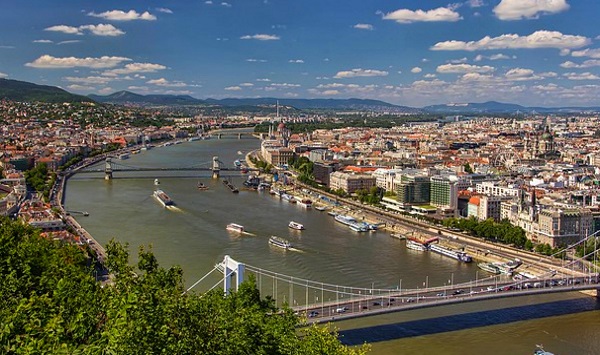
Budapest has the widest concentration of major landmarks and international travel connections. The Danube divides Buda’s hills from the busier central Pest streets. A first-time visitor can spend a full day on each side and still have many museums, baths and neighbourhoods left. Our Budapest sights overview offers a more detailed city itinerary.
The Hungarian Parliament is a central riverside landmark. Its exterior is impressive from the opposite bank, while an interior visit follows official ticket and security rules. Near it, the Shoes on the Danube Bank memorial calls for a quieter, respectful stop. Do not fold the memorial into a cheerful photo checklist.
Cross the Chain Bridge on foot if the weather and access permit, then explore the Buda Castle district. The palace area, Matthias Church and Fisherman’s Bastion each have different admission rules. Castle Hill is larger than a single castle building, so allocate a substantial block of time.
Heroes’ Square and City Park
At the far end of Andrássy Avenue, Heroes’ Square presents Hungary’s historical figures in monumental form. The outdoor square is free, while adjacent art museums sell separate tickets. The Gabriel statue has undergone restoration; check its current status before expecting the complete silhouette in an old photograph.
Continue into City Park for Vajdahunyad Castle, paths, the House of Music Hungary and the Museum of Ethnography. The Budapest Zoo and Széchenyi Bath can each occupy several hours. Choose one main paid attraction rather than assuming all can be visited properly in a short afternoon.
For a second green-space day, Margaret Island offers long paths, gardens and a seasonal musical fountain between the Danube’s banks. It is a park outing with a different character from City Park’s cultural district.
Budapest’s churches and markets
St Stephen’s Basilica has a richly decorated interior and a panoramic terrace, with different ticket options for tourist access. The Dohány Street Synagogue tells another important part of the city’s cultural and religious history. Visiting days and security rules are not identical; check each institution.
The Great Market Hall is convenient for browsing food stalls and everyday products. Go with realistic expectations: it is also a tourist stop, and prices differ between traders. Nearby, Liberty Bridge provides another view of the river. Our bridges guide explains which crossings suit a walk.
A city tour or cruise can help with orientation, but read its route and included admissions. An amphibious RiverRide bus combines road and river, while a conventional boat spends more time on the Danube. These are separate commercial tours, not public transport tickets.
Compare Budapest visits
Check the exact route, language, meeting point and ticket inclusions for Parliament, baths or city tours.
Lake Balaton: bathing and towns
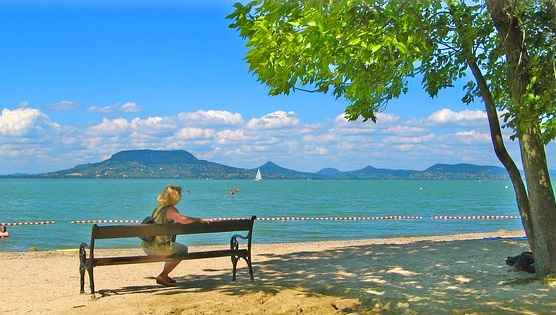
Lake Balaton is a major holiday destination in its own right. The southern shore offers many shallow bathing areas and rail-connected resorts. The northern side adds hills, vineyards and different views. A two- or three-night stay gives a better sense of the region than a quick out-and-back trip from Budapest.
Siófok has a large resort infrastructure and a lively summer district, though quieter stays are possible away from entertainment streets. Balatonfüred offers a promenade, beaches and a useful base for northern-shore trips. Tihany Peninsula adds landscape and heritage. Seasonal passenger boats and the Szántód–Tihany car ferry are different services, so check the correct timetable.
Bathing facilities and fees vary by beach. Observe storm-warning lights and local rules. The lake is freshwater, and a shallow entry point is no substitute for supervision. Outside summer, restaurants and boats may run less often, but walks and wine-focused trips can remain rewarding.
Pécs: southern heritage
Pécs is one of Hungary’s most interesting regional cities for history and art. Its UNESCO-listed early Christian necropolis is a specific archaeological site, not a blanket designation for every building in town. The cathedral area, central squares and Zsolnay Quarter can fill a relaxed day or two.
The city’s layers include Roman, medieval, Ottoman and later Hungarian history. A guided visit can add context, but independent walking also works well in the centre. Check opening days before choosing a short visit; a museum-focused itinerary can be frustrated by a weekly closure. A second night gives time for nearby countryside or a slower evening.
For a theme across several destinations, see old towns, churches and Hungary’s UNESCO sites.
Debrecen and Hortobágy
Debrecen, the country’s second-largest city, has the Great Reformed Church, Déri Museum and Great Forest district. It makes a practical base for eastern Hungary. Train connections from Budapest are useful, but verify the exact service and return when planning a short trip.
Nearby Hortobágy offers a Great Plain cultural landscape with pastoral traditions and birdlife. It is not a city park immediately beyond Debrecen’s centre. Plan the exact destination, guided activity and transport, and follow protected-area rules. An overnight stay makes it easier to see both city and landscape.
Our Puszta guide explains the broader landscape idea. Avoid expecting a single unbroken empty plain across eastern Hungary; towns, agriculture and protected areas coexist.
Wine regions and Tokaj
Hungary’s wine culture is geographically varied. Tokaj in the northeast is particularly well known, while regions around Balaton and elsewhere offer different varieties and settings. A vineyard visit should be planned around opening times and safe transport back, not simply a pin on a map.
Our wine regions overview helps choose a destination. Tasting can be one part of a longer history or landscape trip. Non-drinkers can still enjoy a town and its scenery without organising the day around wine.
Baths beyond Budapest
Thermal bathing is not limited to Széchenyi. Different baths offer historic interiors, modern pools, wellness areas or seasonal outdoor facilities. Compare the specific attraction, ticket and rules rather than assuming every Hungarian bath is identical. See our baths in Hungary guide.
For a Budapest first visit, Széchenyi is convenient because it sits in City Park. For a regional holiday, a bath closer to your base can be less travel-intensive. If you have a medical condition, check with a qualified clinician before using hot thermal pools or saunas; the article cannot judge an individual’s suitability.
Castles and historic towns
Hungary has castles, palaces and fortifications across several regions. Their condition and visitor experience differ: some are museums, others are ruins or exterior-only sites. Our castles overview helps you choose. Visegrád provides a historic Danube Bend trip from the Budapest area when the transport and season suit.
The best castle outing depends on your base. Do not combine two distant sites simply because they appear on one national “top ten” list. A small historic town with a good walking route may offer more enjoyment than a longer journey to a famous but closed museum.
Build a route that works
With three or four days, concentrate on Budapest and perhaps one easy excursion. With a week, add Lake Balaton or one regional city. With longer, combine two or three bases rather than returning to the capital after each trip. Check train schedules and where your accommodation sits relative to the station.
International arrivals often use Budapest Airport. The arrival guide compares plane, train, bus and driving options. Within Budapest, public transport serves most major attractions. Regional routes require a separate timetable and ticket.
Plan prices in forints and read card conversion terms; see money in Hungary. A popular sight may have a timed admission, while a free park can be visited more flexibly. Alternate expensive tickets with walking days to keep the trip comfortable.
Choose accommodation by route
Compare Budapest, Balaton and regional-city bases by onward transport and the sights you will actually visit.
Three days: a Budapest-focused trip
On day one, see the Pest riverfront, Parliament exterior and a booked interior tour if available. Give the Shoes memorial its own unhurried moment, then walk a bridge and choose a viewpoint on the Buda side. Day two can focus on Castle Hill and its museums, church and streets. Day three works for Heroes’ Square, City Park and a bath or zoo visit.
This route keeps travel distances sensible. You can add a Danube cruise if it fits the weather, but avoid an expensive guided ticket for every hour. A market visit, a park walk and ordinary street exploration leave more freedom. If a Parliament ticket sells out, the exterior, opposite bank view and another museum remain valid alternatives.
Seven days: capital and one region
Spend three days in Budapest and transfer to a Balaton base for three nights, leaving a final travel day. Choose Siófok for southern-shore transport and resort amenities or Balatonfüred for a northern-shore promenade and Tihany outing. A boat day depends on season and weather, so keep a land-based alternative. This is a good summer structure when swimming is important.
For a culture-focused week, replace Balaton with Pécs or Debrecen. Pécs combines archaeological, Ottoman and later heritage in one walkable city; Debrecen pairs a major regional centre with the Great Plain. Neither needs to be presented as a minor add-on to Budapest. Two or three nights let you enjoy an evening and adapt to a museum closure.
Ten days or more: a slower circuit
A longer trip can include Budapest, one lake base and one regional city, with an excursion into wine country or a protected landscape. Check the route order before booking. Hungary’s rail network may make a Budapest interchange useful, while a car can simplify some rural segments. A long daily drive undermines the advantage of extra time.
Stay two nights where a destination merits a full day. An arrival afternoon often disappears into transport and check-in; the next day is the true sightseeing day. This is particularly relevant around Balaton, where boats and beaches respond to weather. Do not book the only possible excursion immediately after a long international journey.
Choosing by season
Summer favours Balaton swimming and outdoor evenings but brings peak demand. Spring and autumn are often comfortable for city walks, wine regions and the Great Plain, with some seasonal operations reduced. Winter favours indoor museums, baths and short urban breaks, provided you verify holiday opening hours. A famous site may be worth seeing in every season, but the way to visit it changes.
Weather also shapes the day within a season. A heatwave calls for early outdoor sightseeing, shade and a long midday pause. Rain can move attention to museums and baths, although other visitors make the same choice. Keep one flexible day in a week-long plan instead of buying every activity at a fixed hour.
Tickets and responsible expectations
The exterior of Parliament, a public square or a lakeside path can be free, while interior tours and managed beaches may charge. Look up the official ticket source and compare it with a reseller’s inclusions. A guided tour should add useful interpretation or convenience; a higher price alone does not make it better. Check language, accessibility, meeting point and cancellation conditions.
Respect religious buildings and memorials. The basilica and synagogue are active sites with their own rules; the Shoes memorial commemorates victims of mass murder. Protected landscapes also require visitors to use permitted paths. A well-planned trip leaves time to understand these places rather than treating them as interchangeable photo spots.
Frequently asked questions
What are the must-see sights on a first trip?
Allow time for Budapest’s riverside and Castle Hill, then select a second area such as Balaton, Pécs or Debrecen and Hortobágy based on interest.
Can I see Hungary without a car?
Yes for Budapest and many major towns by rail and local transport. Some rural sights need careful schedules or an organised excursion.
How long should I stay?
Several days suit Budapest alone. A week allows the capital plus one region at a less hurried pace.
Is every major attraction open all year?
No. Beaches, boats, some museums and park facilities have seasonal or weekly schedules. Check the specific venue before travel.