 Posted by
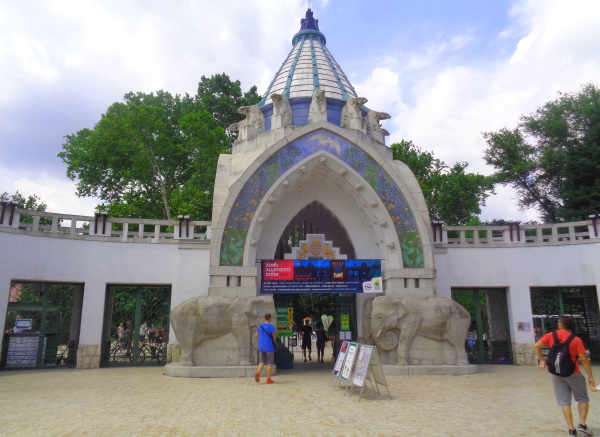
Budapest Zoo and Botanical Garden stands inside City Park, close to the Széchenyi Bath. It combines animal habitats, planted areas and distinctive historic buildings, so it appeals to visitors interested in more than a quick list of species. A visit can take several hours. Ticket prices, animal-house access and daily opening times change with the season; check the zoo directly before choosing a date or planning an arrival near closing.
At a glance
- Location: City Park, near Széchenyi fürdő M1 station.
- Allow: several hours, especially with children or an interest in historic buildings.
- Tickets: check official current prices and eligibility for discounts.
- Opening: seasonal hours; last entry is earlier than closing.
- Planning: animal visibility and programmes depend on the day, weather and welfare needs.
Why visit Budapest Zoo?
The zoo has a long history within Városliget and is also a botanical garden. Its animal enclosures sit among architectural features that make the site feel different from a simple collection of fenced exhibits. It can be an attractive family day, especially when you want a structured activity near other City Park landmarks. Adults interested in garden design and heritage buildings may also find enough to see without concentrating on a few popular animals.
Set expectations realistically. Individual species can be indoors, off view or resting, and areas may close for maintenance or animal care. The official zoo website is the right source for current programmes and facilities. A guide that promises a lion feeding at a fixed hour months ahead may lead to disappointment.
You can combine an exterior park walk with the zoo, but admission to the zoo is separate. Our City Park guide helps choose nearby stops. The Heroes’ Square monument is an easy addition before or after a shorter zoo visit.
Getting there
The M1 metro line brings you to Széchenyi fürdő, a useful stop for the zoo and bath area. Depending on where you start, Hősök tere and a walk through the park may be more pleasant. Check the entrance you intend to use rather than assuming every park-side gate sells tickets at all times. Roadworks or special events can also change the most convenient approach.
Budapest’s public transport system makes a car unnecessary for most central visitors. Validate the appropriate ticket as instructed by BKK. Travellers arriving from the airport should plan the transfer into town separately; see our airport guide.
For strollers or mobility needs, check the zoo’s current access guidance and the exact metro entrance. Paths within a historic site can have different surfaces, and not every animal house offers the same access. If an accessibility requirement determines your visit, contact the zoo in advance.
Tickets, discounts and opening hours
The zoo publishes current ticket categories and seasonal opening times. As of the official information checked in October 2026, its homepage displayed an adult ticket of 5,900 HUF, but you should verify the price for your travel date rather than repeating this as a permanent rate. Child and family products, annual passes and special programmes may be priced differently. Proof of eligibility may be needed for a discount.
According to the zoo’s opening-hours information, ticket offices and last admission close before the zoo itself. Animal houses can also have separate hours. This is why a late arrival may provide much less time than the closing hour suggests. Check holiday hours, especially when travelling outside the main summer season.
Buying online can be convenient, but check whether a ticket needs a selected date or has a validity period. Compare the official ticket with any reseller offer and read what is included. A guided city tour that passes the zoo entrance does not include entry unless it says so explicitly.
Animals and habitats
The zoo presents animals from several regions of the world. Large mammals, birds, reptiles, fish and smaller species all play a part in the experience. For many visitors, moving between outdoor and indoor habitats is more rewarding than trying to “collect” sightings of every famous animal. Read the signs for information on origin, ecology and conservation rather than relying on an old list of residents.
Exhibits change as animals move, habitats are renovated or a welfare decision requires a temporary closure. Avoid a firm promise that particular polar bears, sharks or big cats will be on view during your visit. If one animal is the sole reason for your trip, consult the current zoo map or ask the zoo before booking travel.
Watching an animal at different times of day can reveal more than a hurried visit. Some are active in cooler conditions; others may retreat from view. Remain behind barriers, do not tap glass, never feed animals without an explicitly supervised programme and follow staff instructions. Quiet observation improves the experience for both visitors and animals.
The buildings and gardens
Budapest Zoo is notable for architectural heritage as well as wildlife. Historic pavilions and decorative details reflect an earlier era of zoo design, while planted areas provide shade and a different pace between exhibits. Look up from the animal labels to notice the buildings themselves. A short photography stop can be worthwhile even if you are not especially interested in every species.
Because the institution is also a botanical garden, trees, seasonal flowers and protected planted areas deserve attention. They also help make a long visit easier in warm weather. Stay on marked paths and respect barriers around sensitive planting. The garden atmosphere changes substantially between spring, high summer and colder months.
A City Park walk offers another architectural sequence: Vajdahunyad Castle, the House of Music Hungary and the Museum of Ethnography are separate sites beyond the zoo. Seeing all three plus the zoo in one afternoon would mean choosing exteriors or rushing paid exhibits.
Families and children
For a family, the main advantage is variety: animal viewing, garden paths, pauses for food and different indoor spaces. Ask children to choose a few animals or areas they most want to see, then leave room for discoveries. Young children can tire after a few hours even if adults still want to cover the entire map.
Check whether children under a certain age have a different ticket and whether an adult must accompany minors; the zoo’s current rules matter more than an older article. The official price page states that children under 14 can visit only with an adult. Bring water, weather protection and comfortable shoes. A stroller may be useful, but verify the route into specific houses.
Food kiosks and facilities are available on site, subject to season and opening. Check the zoo map for toilets and changing areas before setting out with small children. If your family prefers a less structured outdoor day, nearby Margaret Island may be another option.
Plan a City Park visit
The zoo has its own tickets. Compare a separate guided city walk or another attraction only after you know how much time you want inside the zoo.
Food, belongings and practical rules
Expect more walking than a small city-centre museum visit. Choose comfortable shoes and a bag that leaves your hands free. On a hot day, plan shade and water breaks; on a wet day, check which indoor houses are open. Do not assume that every café operates throughout the year or that every product can be paid for in a particular way.
Pets generally cannot be taken into the zoo. Assistance-animal rules can involve documentation and advance contact; check the zoo’s current policy directly rather than assuming the same rule as an ordinary park. Also verify restrictions on bicycles, scooters and bulky luggage. The nearby City Park paths and the ticketed zoo grounds are governed by different rules.
Respect no-smoking areas and staff directions. Keep a distance from animals even when a barrier appears low. A supervised keeper talk can be informative, but times may change. An event ticket may have separate entry conditions from general admission.
A sensible itinerary
Begin at the entrance when the zoo opens or after the first peak if you prefer a slower morning. Orient yourself using the official map and identify two or three priority areas. Take a break in a shaded section, then explore less familiar species and the architectural details. Before leaving, check whether you have enough energy for a short park walk.
With a full day, start at Heroes’ Square, spend the main block at the zoo and finish by Vajdahunyad Castle or a café. Save the Széchenyi Bath for another day if you want to enjoy it rather than rush through it. If the zoo is one part of a longer trip, our Budapest sights overview offers wider planning ideas.
Stay near City Park or the M1
For an early zoo visit, compare hotels by their actual journey to the entrance and their connection to central Budapest.
Zoo or another Budapest attraction?
A zoo visit suits a family or anyone who enjoys spending several hours outdoors among animals and gardens. A history-focused visitor might prefer the House of Terror or a museum by Heroes’ Square. A bath visit is a different kind of relaxation and requires swimwear. Choose the activity that fits your group instead of assuming the zoo is compulsory on every Budapest trip.
Budget matters too. The free park and square provide a worthwhile outing without a zoo ticket. On another day, a Danube walk past Parliament and the Chain Bridge gives a different perspective on the city. A mix of paid and free sights usually makes a more comfortable itinerary.
Seasonal differences
In summer, longer days give you more freedom, but the zoo can be busy and exposed paths warm up. Start early if you want a less hurried first circuit and remember that some animals rest during the hottest hours. A high-season visit may also coincide with special programmes. Check whether an event changes access or requires a separate ticket.
In autumn and winter, opening hours shorten and outdoor viewing conditions change. Some indoor animal houses can make a cold day worthwhile, but their own closing times may precede the main gates. Dress for extended outdoor walking even if you plan several indoor stops. The landscaped areas also look different outside the growing season; this is a natural part of the experience rather than a sign that the site is closed.
Spring can bring pleasant temperatures and new planting, but weather remains unpredictable. Carry a rain layer and allow flexibility. The zoo may announce temporary changes to a habitat, path or restaurant independently of the general opening calendar. A final check on the morning of your visit helps avoid wasted travel.
Visiting responsibly
Zoos raise questions about conservation and animal welfare. The most useful way to assess a particular institution is to read its information on breeding programmes, veterinary care, education and habitat work, then observe the site with an open but critical eye. A travel article cannot guarantee that every enclosure or show meets a visitor’s personal standard. Visitors who do not want to enter can still enjoy the surrounding public park.
During a visit, do not feed animals or encourage behaviour for a photograph. Follow any restrictions on flash photography in indoor houses. Children often learn more from a few quiet observations and explanatory signs than from racing from one large mammal to the next. Leave the grounds and facilities clean for other visitors.
If a keeper presentation is available, check its topic and language. Programme times can be altered for animal welfare or operations, and they should be a bonus rather than the sole reason for a paid visit. Use the zoo’s up-to-date schedule on arrival.
Frequently asked questions
How long should I allow?
Several hours is sensible. A family or visitor interested in many habitats can easily spend half a day.
Is Budapest Zoo inside City Park?
Yes. It has its own ticketed entrance within the wider public park.
What is the ticket price?
Prices change. Check the zoo’s official current price page for your date and ticket category rather than relying on an older fixed amount.
Can I bring a dog?
Ordinary pets are generally not admitted. Confirm current assistance-animal requirements directly with the zoo before travel.